Category: Books to Read

  • Clockwork Mysteries: Explore Vienna in 1873

    Clockwork Mysteries: Explore Vienna in 1873

    Clockwork mysteries ask us to look past the face of the clock. We can see the hands move, but the reason for that motion stays out of sight. That gap between what we see and what we know is part of the pleasure of a mystery.

    The Clockwork Heir by Mandy Ludick takes readers to Vienna in 1873. If you like a mystery with a strong sense of place, the city offers a good starting point. The clockwork theme also gives you something small to look for in a world that can feel very large.

    Why Vienna in 1873 draws the eye

    Vienna hosted a world exhibition in 1873. An exhibition invites people to look at things they might never see at home. For a reader, that setting offers a chance to think about what it feels like to see a new machine in motion for the first time.

    Picture the difference between hearing someone describe a mechanism and watching it work. A small movement can make more sense once you see where it starts. In the same way, historical fiction can make a period easier to picture through a few well-chosen details.

    What makes clockwork mysteries so satisfying?

    A clock has a face we can read at a glance. Inside, however, gears and other parts work together in ways we may never stop to think about. A mystery has a similar appeal. Early on, you see what is happening, but you may need time to see how it all fits.

    That is why the image of a clock can do so much with so little. Its steady motion seems familiar. Take a closer look, though, and you find a series of small actions that depend on one another. As a reader, you get a similar reward when a detail you noticed earlier takes on a fresh meaning.

    Bring one question to your reading

    As you start the book, ask what catches your eye first. Perhaps it is Vienna itself. Maybe it is the thought of the parts hidden behind a clock face. Either way, you can enjoy the setting and follow your curiosity at the same time.

    On your next reading break, try recalling one detail that stuck with you. It need not be a clue. Sometimes a small image is simply the thing that makes you want to return to the story.

    Ready to visit Vienna in 1873? Look for The Clockwork Heir by Mandy Ludick on Amazon.

  • Victorian Mystery Books: Meet Arabella Grey

    Victorian Mystery Books: Meet Arabella Grey

    Victorian mystery books offer a particular invitation: slow down, notice the setting, and pay attention to small details. A quiet village can feel welcoming while leaving room for a question. In The Violet Cross Affair by Mandy Ludick, Arabella Grey brings a curious mind to just such a world.

    This spoiler-free introduction stays with the story’s opening. You can meet Arabella and enjoy the atmosphere without learning how the mystery unfolds.

    A village worth looking at closely

    Wethersby sits in the English countryside. Honey-colored cottages, ivy, and cobblestone streets give the village an appealing sense of familiarity. Its residents take pride in a tranquil way of life.

    However, a peaceful setting becomes more interesting when someone looks closely. The contrast between everyday routines and an unexpected interruption creates an inviting starting point for a mystery. Readers have time to picture the place before wondering what might disturb it.

    That is part of the pleasure of entering a fictional world. A garden, a path, or a cottage window can help a setting feel lived in. Atmosphere gives curiosity somewhere to take root.

    Meet a woman who notices

    Arabella Grey is in her early thirties, loves puzzles, and has a reputation for noticing what others overlook. Those qualities offer a clear introduction to her character. She pays attention.

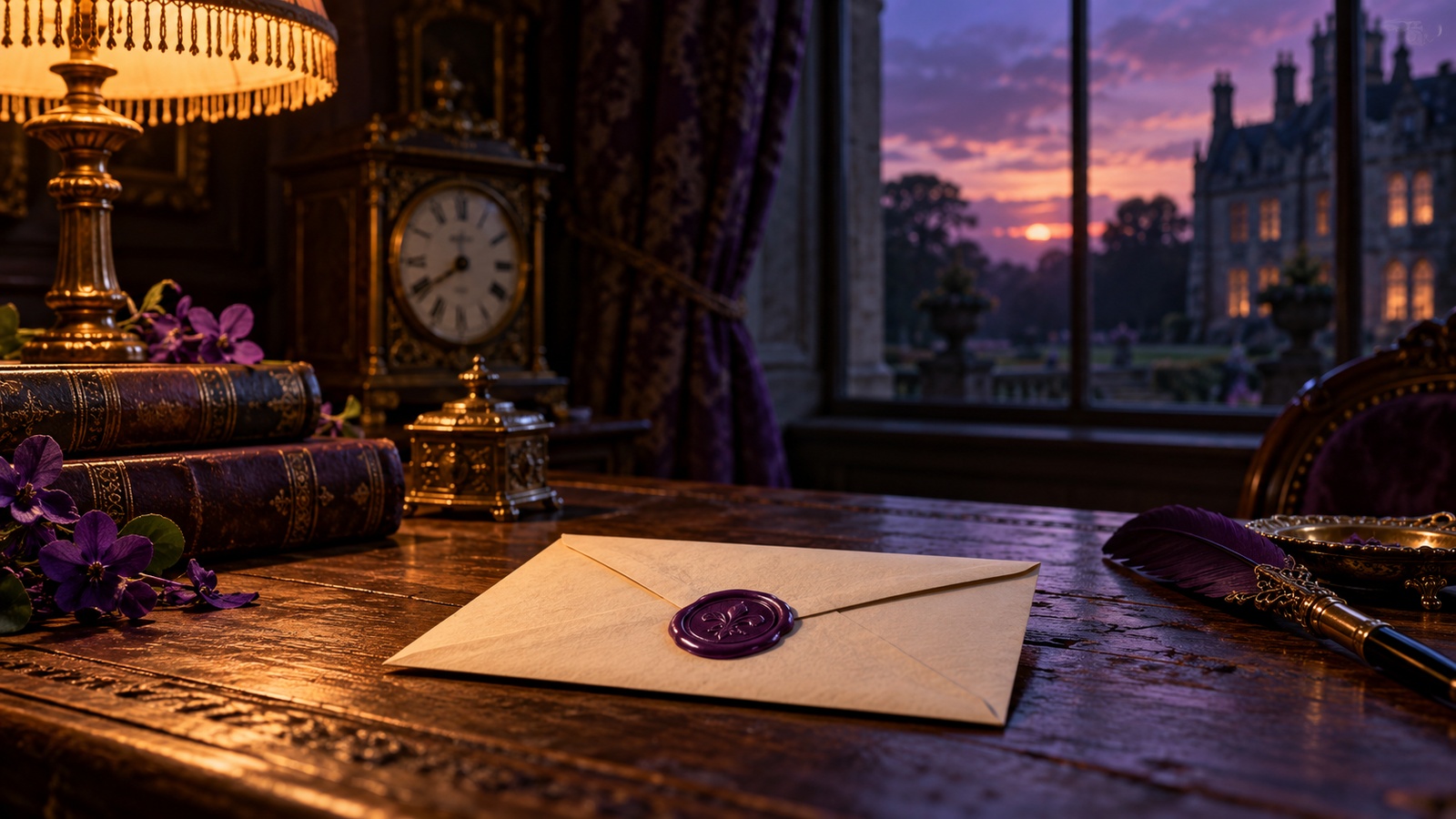
    At the beginning of the book, Arabella is tending her small garden. Then the postman arrives with an unusual envelope. Its violet cross seal catches her interest, and an ordinary afternoon takes a different turn.

    You do not need the solution to enjoy that moment. Instead, consider the kind of heroine the opening introduces: someone willing to notice an unfamiliar detail and ask what it means.

    Why Victorian mystery books invite a slower pace

    For readers drawn to Victorian mystery books, the appeal often lies in the experience of looking more carefully. A letter has weight as an object. Its paper, handwriting, and seal can make its arrival feel significant.

    Likewise, a village setting creates a pleasing sense of scale. Familiar streets and domestic routines help an unusual detail stand out. These are reading pleasures rather than promises about later plot twists.

    Arabella’s introduction brings those elements together through a quiet activity and a distinctive delivery. The scene gives you a place, a personality, and a reason to turn the page.

    Enjoy the introduction without chasing spoilers

    A good first meeting with a mystery heroine leaves room for discovery. Start by noticing what draws you toward her world. Perhaps it is the countryside setting, the love of puzzles, or the question raised by an unexpected letter.

    Afterward, let the story unfold at its own pace. There is no need to search for a complete explanation before you begin. Meeting Arabella through the opening lets her curiosity become part of your reading experience.

    Step into Arabella Grey’s world

    If you are exploring Victorian mystery books, The Violet Cross Affair offers an introduction to Arabella Grey and her quiet English village. Bring an interest in atmosphere and an eye for the details that make you pause.

    Discover The Violet Cross Affair by Mandy Ludick on Amazon, and meet Arabella for yourself.

  • Cozy Mystery Books: When One Letter Changes Everything

    Cozy Mystery Books: When One Letter Changes Everything

    Cozy mystery books often begin with a small disturbance. A letter arrives. Someone asks an odd question. An ordinary room takes on a new meaning. Before long, a familiar place feels full of possibilities. The pleasure lies in noticing that change and wondering what it means.

    For an inviting example, consider The Violet Cross Affair, the first book in the Arabella Grey cozy mystery books series by Mandy Ludick. Its opening takes us to Wethersby, an English village known for its quiet ways. Then an unusual envelope reaches Arabella Grey. That simple arrival gives readers a reason to lean closer.

    A quiet village in cozy mystery books gives the mystery room to grow

    A small setting can make a puzzle feel close. Streets, gardens and cottages offer a sense of daily life. Because those details seem familiar, an unexpected message stands out. We do not need a crowded scene to feel that something has shifted.

    Wethersby provides that contrast at the start of The Violet Cross Affair. Cobblestone streets and ivy-covered cottages establish the village’s calm. Against that background, an envelope with a strange seal draws attention. The setting helps turn a routine delivery into an intriguing moment.

    For readers, this is part of the appeal of village mysteries. Everyday details become worth watching. A peaceful atmosphere leaves space for questions, while the promise of a puzzle encourages us to keep reading.

    One letter opens the door

    An anonymous letter is a wonderfully direct invitation to wonder. Its writer has chosen to speak, yet has also chosen to remain hidden. Even before we consider the message, that choice raises a question: why avoid giving a name?

    Arabella’s envelope bears a violet cross seal and no return address. Inside, a brief warning directs her attention to the tenth hour at Thornwood Manor. These opening details establish the invitation without giving away where the story will lead.

    Notice how little is needed. A symbol gives the message a visual identity. An hour adds urgency. Finally, a place gives Arabella somewhere to direct her curiosity. Readers can consider each element without being told what it will mean.

    Why a curious investigator matters

    A mystery needs someone willing to look again. Arabella enjoys puzzles and has a reputation for noticing what others overlook. Those qualities make her response to an unusual letter feel natural. Curiosity becomes the bridge between an ordinary day and an investigation.

    Many readers enjoy following that kind of mind. Rather than receiving every answer at once, we can watch an investigator ask questions. We may share a suspicion, miss a detail or rethink an early impression. The act of paying attention becomes part of the pleasure.

    Of course, a good introduction should leave room for discovery. Knowing why Arabella is curious is enough to begin. The answers belong to the reading experience, so this introduction keeps them there.

    Finding your next cozy mystery books

    When choosing cozy mystery books, think about the experience you want. Perhaps you enjoy a village setting. You might prefer an investigator whose strongest tool is observation. Alternatively, an intriguing object or a puzzling message may be what catches your eye.

    Try reading an opening with three questions in mind. What interrupts normal life? Who notices the interruption? Which detail makes you want to turn the page? These questions can help you find a story that suits your mood without searching for spoilers.

    The Violet Cross Affair introduces a quiet village, an observant woman and a warning tied to a particular hour. That combination offers a clear starting point. Everything beyond it is yours to discover at your own pace.

    Follow the warning into the story

    There is something satisfying about a mystery that starts with a simple object. A letter can be held, opened and read. Yet its meaning may reach far beyond the paper itself. That gap between what we can see and what we still need to understand keeps curiosity alive.

    If you enjoy cozy mystery books with a village atmosphere and an inquisitive lead, consider The Violet Cross Affair. Meet Arabella Grey, notice the violet seal and follow the questions from the beginning. Look for The Violet Cross Affair by Mandy Ludick on Amazon.

  • Who Knew the House Best? How Servants’ Knowledge Shapes a Manor Mystery

    Who Knew the House Best? How Servants’ Knowledge Shapes a Manor Mystery

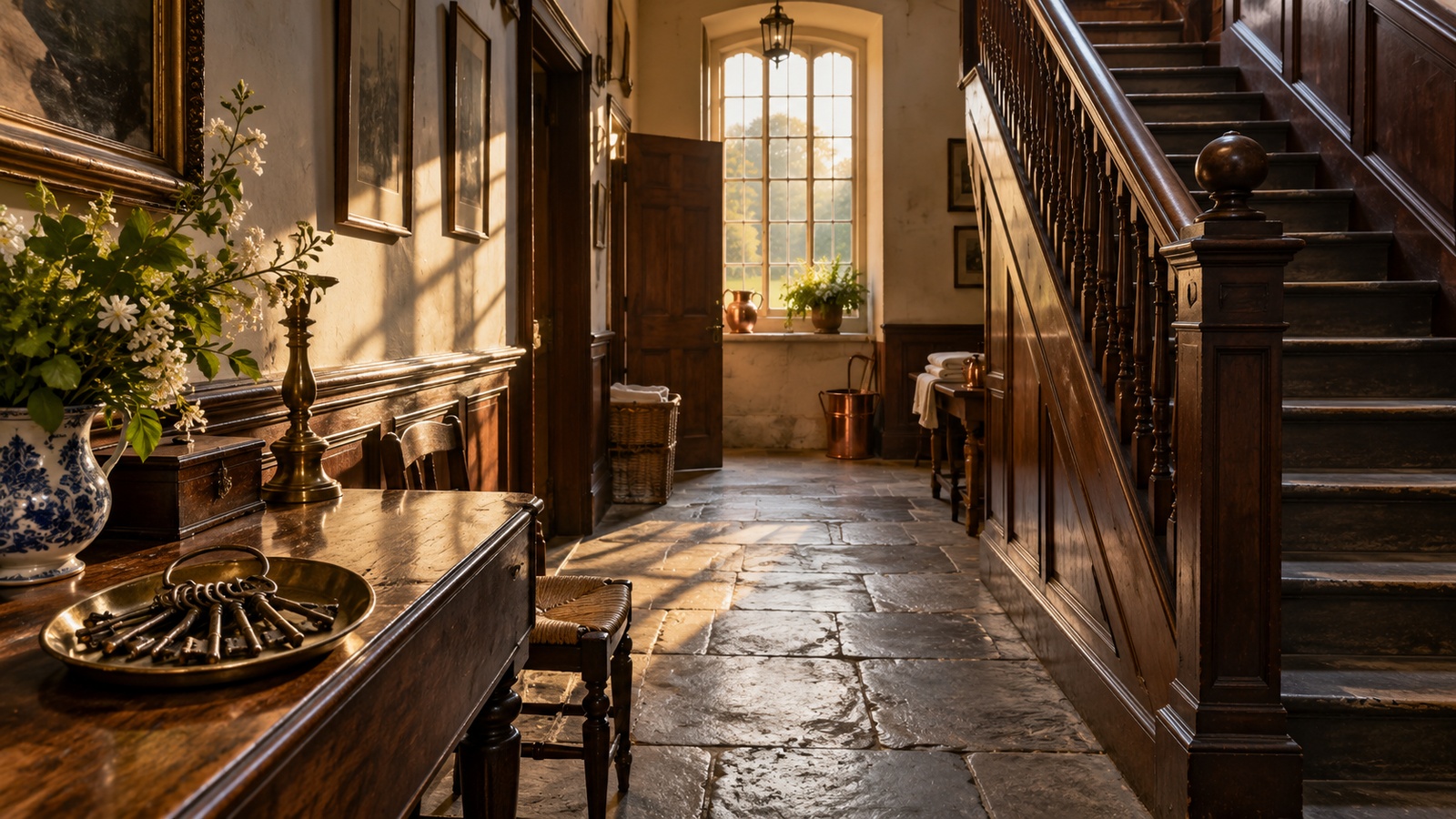
    A grand house may impress us with its sweeping staircase and polished drawing rooms. Yet its daily life depends on people whose work happens beyond the most elegant doors. For readers of historical mysteries, that contrast offers a fascinating question: who truly knows a house?

    Today’s reading inspiration is The Maid of Hawthorne House by Mandy Ludick. Its title invites us to consider a perspective that can easily be overlooked. Rather than offering plot answers, this article explores why knowledge below stairs makes a manor setting so compelling.

    A house is more than its finest rooms

    Visitors usually see the spaces prepared for them. By contrast, those who work in a house become familiar with its practical rhythms. They know how rooms connect, which tasks take time and what an ordinary morning requires.

    That everyday familiarity changes the way a setting feels. A staircase becomes part of a working route, while a closed door raises a practical question about access. Even a quiet corridor may hold interest when we think about who uses it throughout the day.

    For this reason, servants in manor mysteries can add depth to much more than the background. Their perspective encourages us to imagine a whole household rather than a collection of impressive rooms.

    Routine makes small changes visible

    Consider how quickly you notice a change in your own familiar surroundings. Perhaps an object sits somewhere unexpected, or a usual sound is absent. Such observations begin with knowing what normally happens.

    In the same way, repeated work can develop a precise awareness of a place. A person who enters a room every day may notice details that a visitor passes without a thought. Mystery readers enjoy this tension because significance does not always announce itself.

    However, observation and interpretation remain different things. Noticing a detail is a beginning; understanding it requires care. A satisfying reading experience often asks us to resist deciding too quickly what an observation must mean.

    Servants in Manor Mysteries: Who is heard, and who is overlooked?

    A manor setting also gives readers a way to think about social position. Someone may know a household well without having much authority within it. Meanwhile, another person may speak confidently while understanding less about its daily workings.

    This difference can make us more attentive readers. Instead of judging a character’s insight by status alone, we can consider experience, attention and opportunity. Whose work brings them into a space? Which questions might they be able to answer?

    These are useful questions for reading the genre, not promises about a particular plot. They help us appreciate how a household’s structure can shape the information available to different people.

    Let the setting deepen your reading

    Historical atmosphere becomes especially engaging when a building feels lived in. Kitchens require work, stairs connect different worlds and rooms change purpose across the day. Consequently, the setting can feel like a network of relationships rather than a decorative backdrop.

    As you read, pause occasionally to picture how the house functions. Think about the paths people take and the responsibilities that guide them. You need not solve every puzzle immediately to enjoy the richness of those details.

    At the same time, leave room for uncertainty. A mystery invites curiosity, and curiosity grows when we allow the story to reveal its own connections. Careful attention is often more rewarding than a hurried conclusion.

    A fresh question for your next mystery

    Before beginning your next manor mystery, try asking, “Who knows this place through daily experience?” That question can shift your attention towards people and routines you might otherwise miss.

    You could also discuss it with a reading friend. Does the most confident character seem the most observant? How does familiarity with a place affect your expectations? Such conversations enrich the experience without requiring spoilers.

    For today’s reading list, discover The Maid of Hawthorne House by Mandy Ludick on Amazon. Let its title be an invitation to look beyond the grand rooms and approach your reading with patient curiosity.

  • Building an Atmospheric October Reading List

    Building an Atmospheric October Reading List

    A warm pool of lamplight. Rain against a window. A book that makes you glance twice at an ordinary door.

    An atmospheric October reading list begins with a feeling. Perhaps you want the hush of an old house, or the sound of waves beneath a lonely cliff. Either way, the right mystery can turn a quiet evening into a journey full of questions.

    You do not need cold weather to enjoy that mood. October brings spring to South Africa, while readers elsewhere may be watching leaves fall. The pleasure lies in the world on the page, not the forecast outside your own window.

    So how do you choose a reading list that offers both comfort and suspense? Start with the kind of secret you most want to uncover.

    Start your atmospheric October reading list with a setting

    A strong setting does more than provide a backdrop. It shapes what characters can see, where they can go, and whom they must trust.

    Think about the spaces that draw you in. A grand house offers rooms full of shared history. An island can make distance feel like part of the puzzle.

    Even familiar places become intriguing when their usual order changes. Someone is absent from a meal, a door stays closed, or a household routine no longer makes sense. Readers begin to notice those small gaps because the setting has taught them what to expect.

    For your list, choose books with places you want to explore slowly. The best reading mood often begins with the wish to stay for one more chapter.

    Choose a manor mystery for secrets close to home

    Old houses bring people together, but they do not make everyone equal. Family members, guests, and staff may share the same roof while seeing very different sides of life within it.

    That contrast creates rich ground for a mystery. One person knows the public story. Another notices the habits which never appear in polite conversation.

    “The Maid of Hawthorne House” belongs on the list for readers drawn to a grand-house setting. Its staircase and household world offer a different reading mood from an open landscape, where a clue might lie miles away.

    Meanwhile, “The Governess of Briarwood Hall” offers another doorway into historical mystery. A governess occupies an interesting place in a household: close enough to observe private life, yet not always free to speak.

    These are useful choices when you enjoy watching people as closely as you study clues. A room may seem calm, although the people inside it have reason to be careful.

    Add an island mystery for a change of pace

    After the close quarters of a manor, an island can make the world feel wider and more confined at once. There is space to walk, yet leaving may not be simple.

    Sea mist can soften a familiar landmark. Tides change the shape of the shore, while distance makes each journey a choice worth considering.

    “The Cartographer of Stormglass Island” brings Nora Halewell into a mystery shaped by maps, an island landscape, and hidden knowledge. It is a fitting choice if your ideal reading evening includes a chart to study and a coastline to imagine.

    Unlike a straightforward path, a map asks to be read. Its lines may look clear, but their meaning still depends on the person following them.

    That makes an island mystery a good partner for a household story. Both reward attention, although they guide it towards different kinds of detail.

    Look for clues that invite a second glance

    A memorable mystery often gives you something small to carry in your mind. Perhaps it is a recurring mark, an unusual phrase, or a detail that seems too neat.

    At first, you may barely notice it. Later, its return can change the way you read an earlier scene.

    This is part of the pleasure of a careful-reading mystery. The story invites you to form a view, then gives you a reason to test it.

    On your reading list, make room for books that leave space for that process. You do not have to solve the puzzle first to enjoy seeing how its pieces connect.

    Sometimes the most satisfying moment is the quiet realisation that a clue was there all along.

    Balance your list instead of making it longer

    A good reading list does not need to become a stack of obligations. Three well-chosen books can offer plenty of variety.

    Begin with the mood you want most. If household secrets appeal to you, open a manor mystery first. When you want a shift in scenery, move towards the island and its maps.

    Between books, notice what stayed with you. Was it a character’s restraint, a setting you could almost hear, or the way an overlooked detail gained meaning?

    Your answer can guide the next choice. Rather than choosing only by plot, you start to recognise the reading experiences that suit you.

    There is no need to hurry, either. A mystery that rewards close attention is a good reason to slow down.

    Settle into your next mystery

    For an atmospheric October reading list, consider “The Maid of Hawthorne House“, “The Governess of Briarwood Hall“, and “The Cartographer of Stormglass Island” by Mandy Ludick.

    Together, these choices offer grand houses, watchful observers, and the pull of an island puzzle. Each gives you a different place to begin asking questions.

    Choose the mood that calls to you, find a comfortable seat, and explore the books on Amazon.

    Would you start with a manor staircase, a governess’s view of a household, or an island chart room?