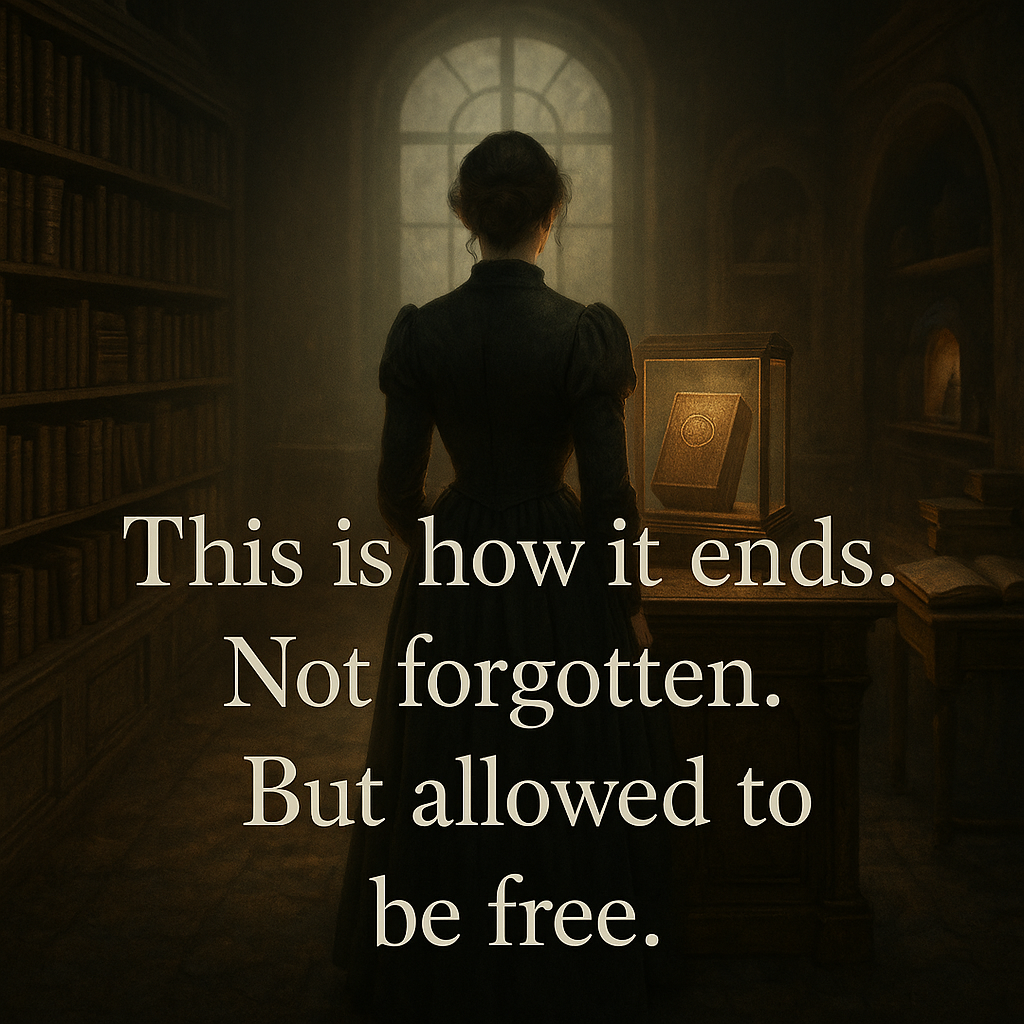
Mysteries are not always about what was stolen. Sometimes, they are about what was almost forgotten.
- A manuscript hidden in a drawer.
- A notebook no one believed mattered.
- A family truth left out of the record.
- A discovery credited to the wrong person.
These are the kinds of things that create lost legacies in mystery fiction.
A lost legacy is more than an old secret. It is something that should have endured, but did not. It may have been buried by fear, greed, pride, or simple neglect. It may also have been hidden because someone powerful wanted it forgotten.
That is what makes this theme so moving in historical mystery fiction.
The sleuth is not only solving a puzzle. She is helping restore something that should never have been lost.
Lost Legacies in Mystery Fiction Add Emotional Depth
A good mystery needs clues, suspects, and tension; but a memorable mystery needs emotional weight.
Lost legacies give a mystery that weight.
When a heroine finds a missing manuscript, an old archive, or a forgotten invention, she is not only handling an object. She is touching someone’s life’s work. She is uncovering a voice that may have been ignored for years.
That changes the stakes.
The case is no longer only about finding the guilty person. It becomes about giving someone back their place in the story.
This is why lost legacies work so well in historical mysteries. The past already feels layered. Add a forgotten truth to that, and the story becomes richer at once.
A Lost Legacy Can Begin with a Small Clue
Lost legacies often begin quietly.
A strange date.
A missing page.
A name written in the margin.
A sealed letter.
A drawing tucked into an old book.
At first, the clue may seem small. It may even look unimportant, yet in a mystery, small things can carry great meaning.
A faded note may reveal who really wrote a manuscript. A notebook may prove who created an invention. A record may show that someone was blamed unfairly. A single name may open the door to a whole hidden story.
That is part of the pleasure for readers.
We get to watch the heroine notice what others missed.
Forgotten Voices Make the Past Feel Real
History often remembers the loudest people. It remembers the people with titles, money, status, and access to official records. But many lives do not survive so neatly. Some people are pushed to the edge of the story. Some are remembered only in fragments. Others are erased on purpose.
Mystery fiction can bring those voices back.
A lost legacy may belong to a writer, inventor, archivist, scientist, artist, servant, sister, daughter, or friend. She may not have had public power, but she may have held the truth.
That makes the discovery powerful.
When the heroine uncovers that hidden voice, the past feels more human. It becomes less like a list of events and more like a place filled with real people, real choices, and real pain.
Clara Everhart and Lost Legacies
The Clara Everhart series fits naturally with this theme.
Clara’s mysteries often move through manuscripts, archives, inventions, formulas, and old records. These are not just props. They carry memory. They carry motive. They often carry the proof that someone’s legacy was stolen, hidden, or misunderstood.
That is why Clara works so well as a heroine.
She notices quiet evidence.
She does not dismiss the missing page. She does not ignore the strange wording. She does not assume that the official version of the story must be true.
Instead, Clara follows the fragment until it begins to speak.
In her world, solving a mystery often means asking deeper questions.
- Who was denied credit?
- Who left proof behind?
- Who tried to bury the truth?
- Who deserves to be remembered?
These questions make the Clara Everhart stories feel thoughtful and emotional, while still giving readers the satisfaction of a mystery.
Manuscripts, Archives, and Inventions Can Carry Legacy
Objects matter in mystery fiction because they connect the present to the past.
- A manuscript can carry an author’s voice.
- An archive can protect a hidden history.
- An invention can preserve someone’s skill and imagination.
- A formula can represent years of careful work.
When one of these things is lost, the loss is not only practical, it is personal.
Someone’s work may disappear. Someone’s courage may be forgotten. Someone’s name may be removed from the story.
That creates strong tension.
The reader wants the object found, but more than that, the reader wants the truth restored.
Why Lost Legacies Make Strong Mystery Plots
Lost legacies make strong mystery plots because they give characters powerful motives.
Someone may want to steal credit. Someone may want to hide a family scandal. Someone may fear an old record. Someone may profit from silence.
These motives feel believable because they are deeply human.
People care about reputation. They care about inheritance. They care about power, pride, money, and memory.
A lost legacy can threaten all of those things.
That is why one old letter can become dangerous. One missing page can matter. One hidden notebook can unsettle a whole family.
The past may look quiet, but it rarely stays quiet once the truth begins to rise.
Lost Legacies Give Readers a Satisfying Ending
Readers enjoy a clever solution, but they often remember an emotional one.
When a lost legacy is restored, the ending feels meaningful. The heroine has not only solved a crime. She has corrected a wrong.
A forgotten writer may be named.
A hidden invention may be understood.
A lost record may prove the truth.
A silenced person may finally be heard.
That kind of ending feels complete, it gives justice in a quieter, deeper way.
The villain may be exposed, but the more beautiful victory is that the forgotten person is no longer forgotten.
Why This Theme Still Matters
Lost legacies in mystery fiction matter because they speak to something readers understand.
Many people know what it feels like to be overlooked. Many know what it feels like when someone else takes credit, controls the story, or decides what should be remembered.
Historical mysteries give those feelings a rich and atmospheric setting.
They also give readers hope.
The truth may be hidden for years, but it is not always gone. A record may survive. A letter may remain. A careful person may come along and see what others refused to see.
That is a deeply satisfying idea.
It reminds us that stories can still be recovered.
Conclusion
Lost legacies in mystery fiction make stories richer, deeper, and more emotional.
They turn clues into more than evidence. They turn old papers, inventions, archives, and manuscripts into pieces of someone’s life.
In the Clara Everhart series, this theme gives the mysteries their quiet power. Clara does not only search for answers. She searches for the truth beneath the official story.
She follows forgotten voices.
She notices hidden work.
She restores what was nearly erased.
And in the end, that is what makes a mystery feel truly satisfying.
Not only that the case is solved.
But that someone is remembered.