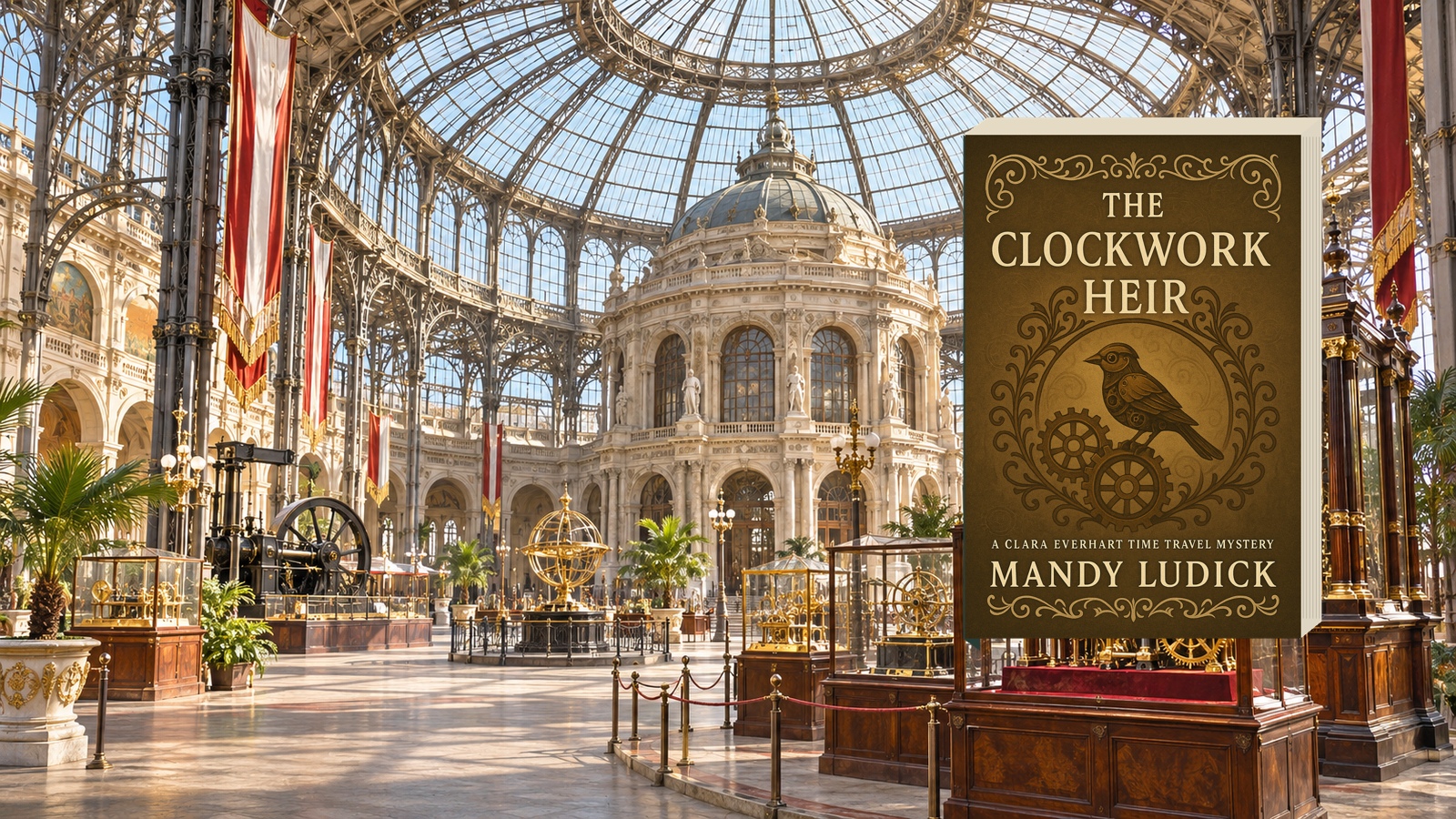
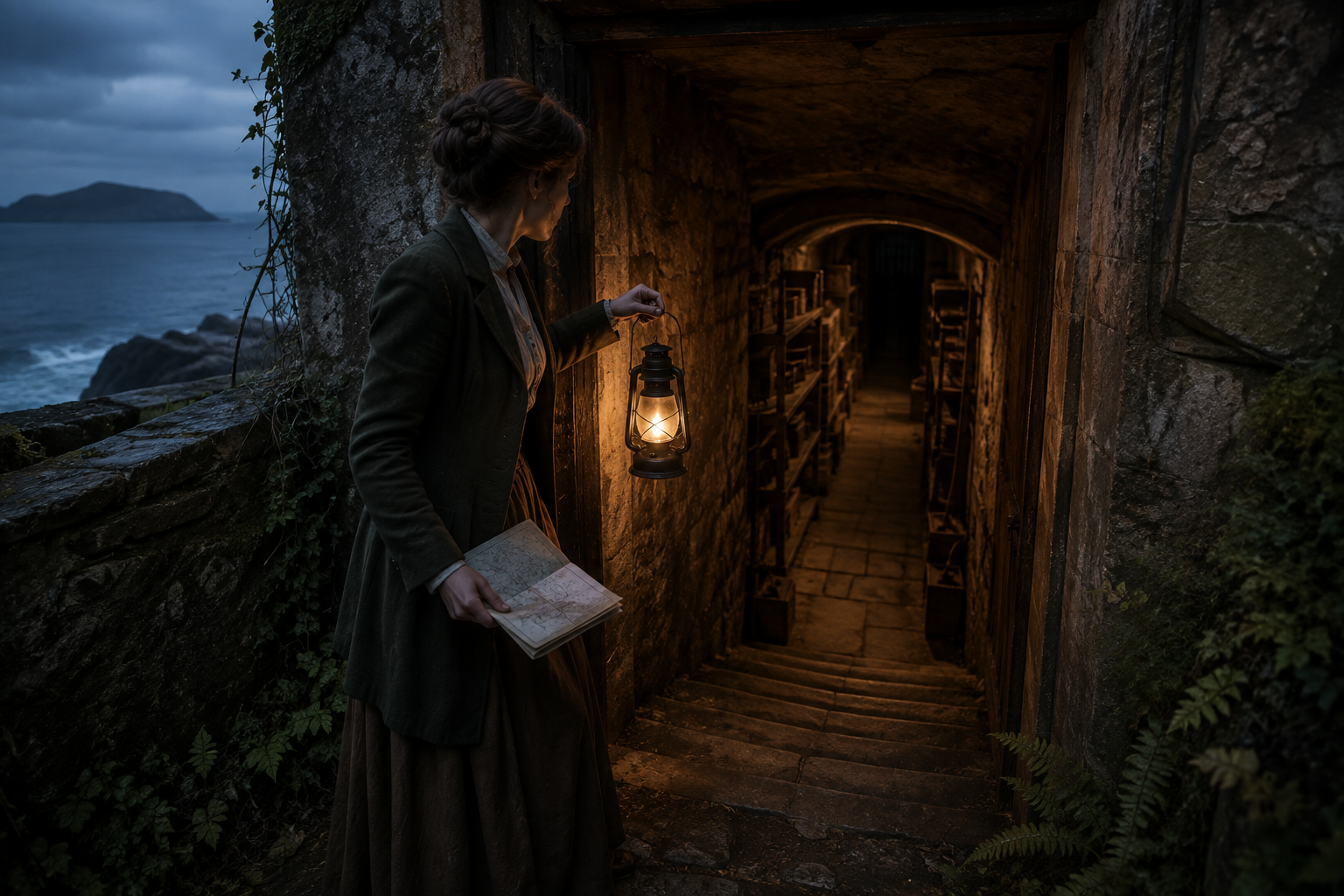
Entering another century would not feel like stepping onto a film set.
The buildings might look familiar. Streets could still seem busy, while shops would continue to open and close. People would laugh, argue, hurry, and complain just as they do now.
Yet almost everything beneath that surface would feel different.
The air would carry unfamiliar smells. Silence would fall in places where we expect noise. Ordinary tasks would take longer, and many modern comforts would simply vanish.
For Clara Everhart, entering another century is never only about finding the correct date. She must understand how people live, what they fear, and which details do not belong.
That is where the real mystery begins.
Entering Another Century Would Change the Meaning of Time
Modern life is ruled by exact time.
Phones, clocks, alarms, calendars, and digital reminders divide the day into small, measured pieces. Even a delay of ten minutes can feel important.
Earlier centuries often moved at a different pace.
Public clocks existed, but not everyone carried a reliable timepiece. Appointments could depend on bells, daylight, meals, or local custom. Travel delays were common, while messages might take hours or days to arrive.
As a result, time could feel less exact and more connected to place.
A person might say an event happened after church bells rang or before the lamps were lit. Another witness could describe the time by the position of the sun.
For a mystery investigator, that creates problems.
A timeline may appear precise when it is not. Witnesses can honestly disagree because they measured the moment in different ways. However, one person may also take advantage of that uncertainty.
Clara cannot assume that “half past seven” means everyone understood the hour in the same way.
The Streets Would Sound Completely Different
One of the first shocks would probably be sound.
Modern cities contain engines, aircraft, electronic alarms, traffic signals, and constant mechanical noise. Even quiet neighborhoods carry the distant hum of electricity and vehicles.
A historical street would not be silent, but its sounds would have another rhythm.
Horse hooves would strike stone. Wheels would rattle across uneven roads, while vendors called out their goods. Bells might announce the hour, a service, a warning, or the arrival of news.
Footsteps would matter more too.
Without engines covering every movement, someone approaching in a corridor or crossing a courtyard could be heard much sooner.
That detail is useful in a mystery.
If a witness claims no one entered the room, would footsteps have been noticed? Could a carriage arrive without drawing attention? Would the closing of a heavy door echo through the house?
Entering another century means learning which sounds are normal and which ones should raise suspicion.
Darkness Would Feel Much Darker
Electric light has changed the way people experience night.
Modern rooms can remain bright long after sunset. Streets are lit, vehicles carry headlights, and a phone screen can provide instant light.
Earlier periods depended on candles, lamps, fireplaces, and gaslight.
Those sources created small circles of brightness rather than evenly lit spaces. Corners remained shadowed, while hallways could become almost completely dark.
A person carrying a candle would also be visible from a distance.
The moving light beneath a door or across a window might reveal where someone had gone. Meanwhile, an extinguished lamp could become an important clue.
Darkness affected behavior as well.
People planned tasks around daylight. Letters were easier to read near a window, and travel became more dangerous after nightfall.
For Clara, the absence of electric light changes how she reads a scene.
A witness may say they saw a face clearly, yet the room may have contained only one weak candle. Another person could claim to have read a note in a corridor where there was not enough light.
The setting itself can challenge the story.
Smell Would Be Impossible to Ignore
Historical fiction often focuses on what a place looks like. However, smell would probably be one of the strongest differences.
Coal smoke, horses, cooking fires, damp clothes, open drains, leather, wood polish, perfume, and unwashed streets would mix together.
Inside a house, each room could have its own scent.
A kitchen would carry food, ash, and grease. The library might smell of paper, dust, leather, and ink. Bedrooms could contain lavender, candle wax, medicine, or damp fabric.
These smells would become part of the evidence.
A person who had visited the stables might carry the scent of horses. Smoke on a coat could place someone near a fire. Strong perfume might hide the smell of chemicals or medicine.
Clara must notice what belongs to the period, although she must also recognize what feels wrong.
A strange scent in a laboratory may be expected. The same odor in a nursery could be alarming.
Clothing Would Shape Every Movement
Historical clothing was not simply decorative.
It affected how people sat, walked, worked, and entered a room.
Long skirts could brush against furniture. Corsets changed posture, while stiff collars restricted movement. Gloves, hats, coats, and layers also took time to remove.
These details matter because movement leaves traces.
A muddy hem can show where someone walked. Torn lace may reveal a struggle, while missing gloves could suggest haste.
Clothing also reflects class and occupation.
A servant’s garments would differ from those of a wealthy visitor. A woman dressed incorrectly for the hour or setting might attract attention immediately.
Clara cannot move through another century exactly as she would through her own.
Her posture, pace, and clothing must fit the world around her. Otherwise, people may notice her before she has learned enough to remain safe.
Privacy Would Mean Something Different
Modern people often expect private bedrooms, locked devices, and personal correspondence.
Earlier households could be far more crowded.
Servants entered bedrooms, carried letters, lit fires, cleaned clothing, and prepared baths. Family members shared rooms, while visitors moved through spaces according to strict social rules.
That meant privacy depended less on being alone and more on knowing who was permitted to notice what.
A hidden letter could pass through several hands before reaching its reader. Someone might overhear a conversation while standing just outside a door.
Secrets still existed, but they had to survive within busy households.
This makes historical mysteries especially rich.
The question is not only who had access. It is who could enter without being remembered.
A maid carrying linen might pass unnoticed. A governess entering the schoolroom would appear perfectly ordinary. Meanwhile, a family member in the servants’ corridor could seem highly suspicious.
Entering another century requires understanding those invisible boundaries.
Social Rank Would Be Present in Every Conversation
Class and status shaped daily behavior.
People knew who should speak first, who could sit, who must wait, and which questions were considered improper.
A modern visitor might find these rules frustrating or confusing.
Someone could know the truth but feel unable to accuse a social superior. Another witness might lie because honesty would cost them employment.
Tone would matter as much as the words themselves.
A servant’s hesitation could reflect fear rather than guilt. A wealthy man’s calm manner might come from confidence that no one would challenge him.
Clara must read these exchanges carefully.
She cannot judge every reaction by modern standards. Instead, she must ask what the person risks by speaking.
That difference can change the entire investigation.
Information Would Move Slowly
Today, people expect instant answers.
A name can be searched within seconds. News travels quickly, while records are often available online.
Earlier centuries depended on letters, newspapers, official registers, word of mouth, and personal contacts.
Verifying a fact could take days.
A train schedule might be printed, but delays were not always recorded. A distant relative could not be contacted immediately. Furthermore, official records might be incomplete or difficult to reach.
That delay creates both tension and opportunity.
A false story can survive longer when no one can quickly test it. By the time the truth arrives, evidence may have disappeared.
Clara’s knowledge gives her an advantage, yet it can also mislead her.
She may remember what history eventually recorded, although the people around her do not yet know how events will end.
The future offers context. Still, it does not always explain what is happening in the present.
Ordinary Medicine Would Feel Risky
Healthcare has changed greatly across the centuries.
A historical doctor might rely on treatments that seem strange or unsafe today. Medicines could contain powerful ingredients, while doses were not always measured with modern precision.
Even common illness carried greater danger.
An infection could become serious quickly. Childbirth, fever, and injuries often had uncertain outcomes.
People also kept many medicines in the home.
Sleeping draughts, tonics, powders, and tinctures could sit beside ordinary household items. That makes them useful tools in mystery fiction.
Was a dose given correctly? Did someone switch a bottle? Could an accidental treatment hide deliberate harm?
Clara’s scientific knowledge may help her notice danger. However, she must be careful not to reveal understanding that appears impossible for the period.
Knowing too much can attract attention.
Travel Would Feel Slower and Less Certain
A journey across town could take far longer than expected.
Road conditions, weather, horses, railway schedules, and local transport all affected movement. Distance was not only measured in miles but also in effort.
Travel also left clues.
Mud from one road might differ from soil found elsewhere. A train ticket could place someone in another town, while a missing carriage might expose a secret meeting.
However, alibis were harder to verify.
Someone could claim to have missed a train or taken a different road. Without modern tracking, the investigator would need witnesses and physical evidence.
Entering another century changes the meaning of being “far away.”
A location that seems close on a map may still take hours to reach. Therefore, Clara must test every journey against the real conditions of the time.
Women’s Freedom Would Be More Restricted
A woman traveling alone, entering a tavern, questioning a stranger, or visiting certain places could attract attention.
Social expectations varied by time and class, yet many women had fewer legal and practical freedoms than they do now.
That would shape every part of an investigation.
Clara might know exactly where she needs to go, but reaching the place could be difficult. Asking direct questions might damage her reputation or place her in danger.
She must often find another route.
A visit can be presented as social courtesy. Research may be disguised as curiosity, while an interview can take place during tea.
These limits do not make her powerless.
Instead, they force her to become more strategic.
Clara learns when to speak openly and when to let someone underestimate her. The restriction becomes part of the mystery because solving the case also means navigating the society around it.
Historical Knowledge Would Not Always Help
It is tempting to imagine that a modern person would enter the past with a great advantage.
Sometimes that would be true.
Clara may recognize a future event, a scientific idea, or the importance of a person who is not yet famous.
Still, historical knowledge can create false confidence.
Books simplify events. They often focus on major figures and leave out ordinary people. Official history also records outcomes more clearly than confusion.
Living through an event would feel very different from reading about it.
People would not know which rumor mattered or which decision would later become famous. Many choices that seem obvious in hindsight would remain uncertain.
Clara must therefore separate what she knows from what she assumes.
The past is not a completed story to the people inside it.
Small Mistakes Could Reveal a Time Traveler
A modern visitor might prepare carefully, yet tiny errors could expose them.
Words change over time. So do gestures, manners, handwriting, money, and everyday knowledge.
Someone may use a phrase that does not yet exist. Another person might handle an object too easily or fail to understand a common custom.
Even silence can be suspicious.
A visitor who does not react to a famous local event may seem strange. Likewise, knowing something before it becomes public could cause alarm.
Clara must watch herself as closely as she watches the suspects.
Every answer carries risk.
The challenge is not only finding the truth. It is doing so without becoming the mystery everyone else wants to solve.
Entering Another Century Means Losing Familiar Certainty
The greatest difference may not be clothing, streets, or technology.
It may be the loss of certainty.
Modern life teaches us to expect quick answers. We assume that help can be called, records can be checked, and time can be measured.
Another century would remove many of those supports.
The world would still feel human, yet the rules would be unfamiliar. Every ordinary action could require thought.
That uncertainty is what makes Clara Everhart’s mysteries so compelling.
She does not simply visit history. Instead, she enters a living world where the future has not yet been decided.
What Would You Notice First?
Perhaps the darkness would surprise you.
Maybe the noise of carriage wheels would feel strange, or the smell of smoke and horses would become impossible to ignore.
You might notice how long everything takes. Then again, the hardest difference could be the way people treat one another according to rank, gender, and reputation.
For Clara, entering another century begins with observation.
She studies the clocks, the streets, the language, and the people. Most importantly, she looks for the detail that does not belong.
A wrong date can expose an altered timeline. An unfamiliar object may reveal another traveler. Meanwhile, one impossible memory could change everything she believes about the past.
History may look settled from a distance.
Once you step inside it, nothing is certain.